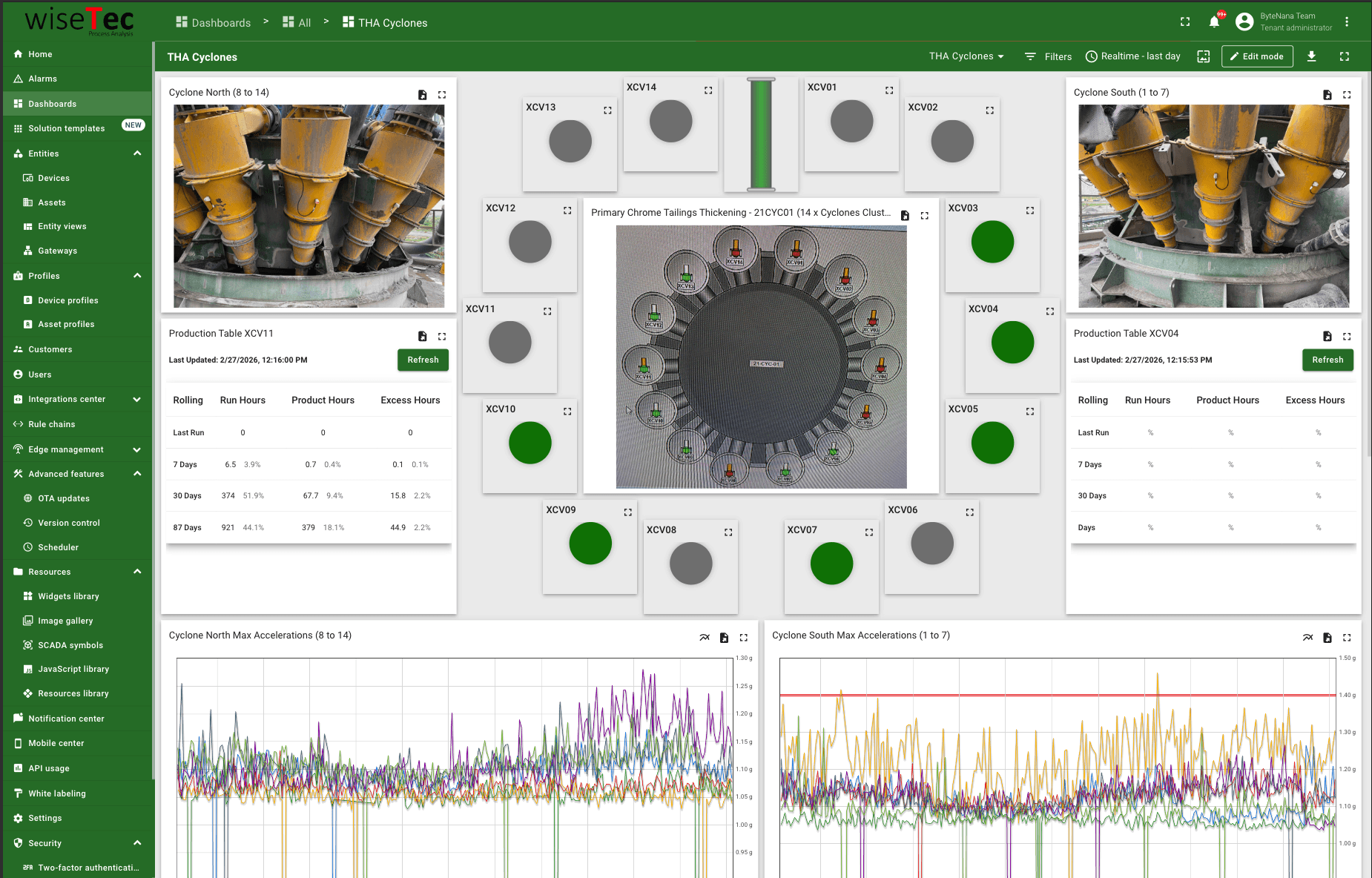
Mining sites have little connectivity, and every byte sent costs money. So for Multotec, a model on the ESP32 reads vibration patterns and sends only the telemetry that matters.
Firmware, cloud and AI for connected products
Documented, reviewed and tested on your actual hardware, so the next engineer who opens the repo doesn't start over. One team from the sensor to the map.
Two weeks, paid upfront. If the Sprint isn't worth it, we refund it in full.

Connected products and map platforms we helped build


Built on
Hardware, firmware and cloud come from three vendors. The bugs live in the gaps between them.
Firmware with no docs and no tests gets rewritten, and you pay for the same board twice.
Most teams check FCC, CE and RoHS after layout. Moving a radio then isn't a sprint.
Firmware, edge AI, connectivity and maps, covered by one team.
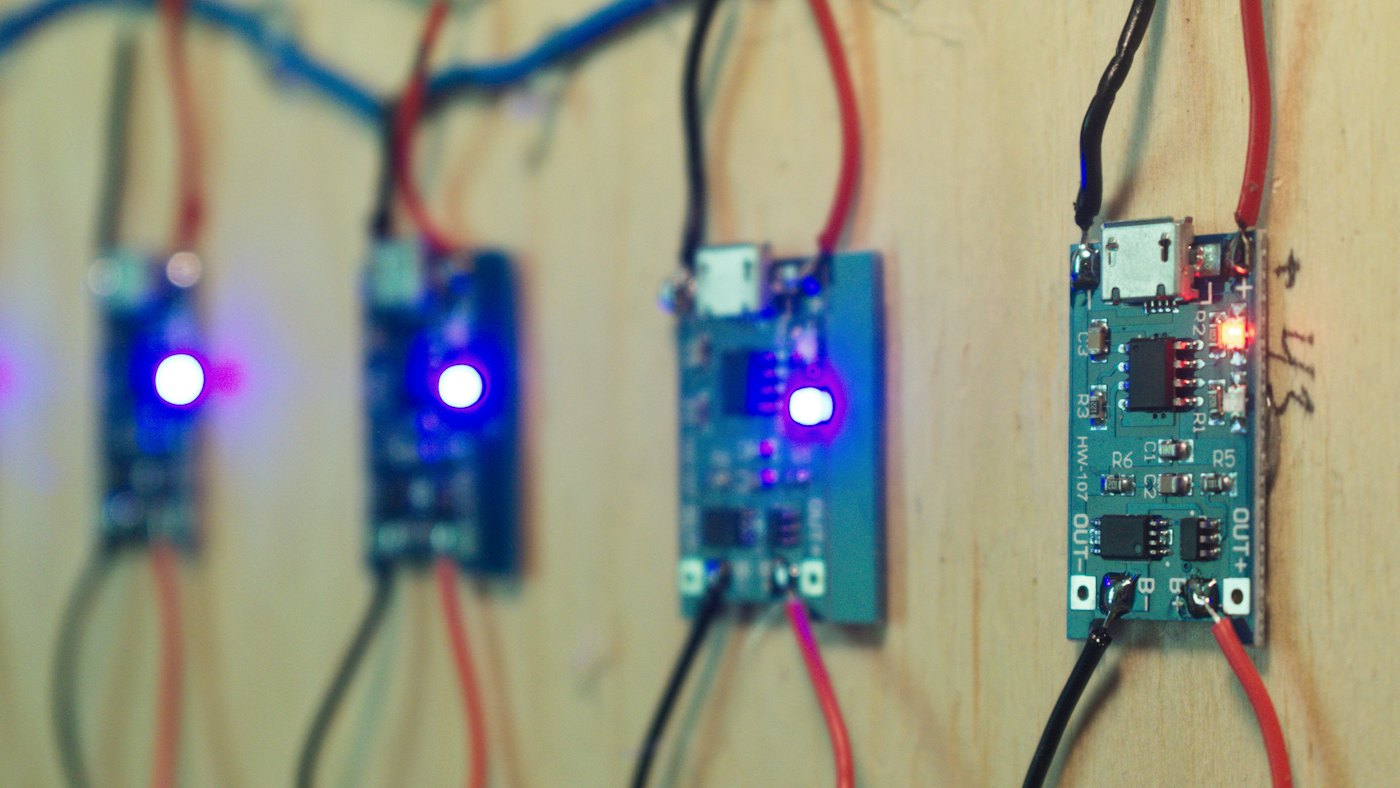
C and C++ on FreeRTOS and Zephyr (ESP32, STM32, nRF), with OTA and secure boot from the first commit.
Firmware and embedded →Models that decide on the device, as on Multotec's ESP32, and AI features inside your product.
See Multotec's edge AI →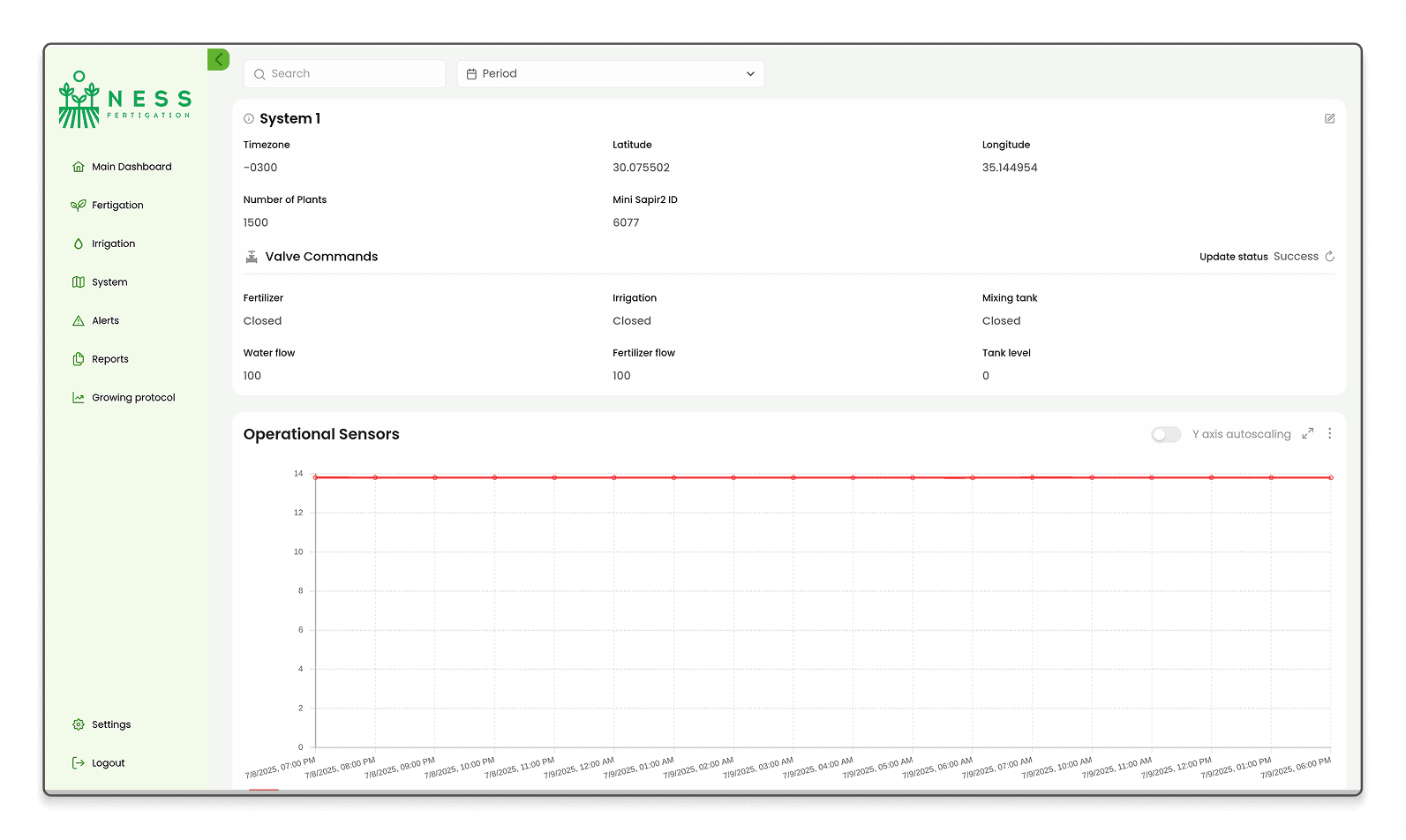
MQTT, BLE, LoRaWAN, cellular and Matter on AWS, on platforms you own with no per-device fee.
IoT platforms →
PostGIS pipelines, Mapbox front ends and field maps your users act on.
Geospatial and maps →Built AI-native
Specs before code, AI agents in the daily workflow, and a tech lead who reviews every pull request.
"They use AI in a very clever way to help improve [their] quality and time."Koko Tuinstra, CEO, Georama · Clutch, verified
Multotec · industrial mining · edge AI
Mining sites have little connectivity, and every byte sent costs money. So for Multotec, a model on the ESP32 reads vibration patterns and sends only the telemetry that matters.
Read on the device in C++ on FreeRTOS, with no round trip to the cloud.
Firmware and models update across the fleet, with no site visits.
A ThingsBoard dashboard shows every device and what it chose to send.
One team: firmware, model and fleet view.
"They listen to the problem and deliver software that works at a fair cost."James Trace, CEO, Multotec · Clutch, verified
Have a device that should decide on its own? Start a Discovery Sprint →
More products we built, from precision agriculture to AI agents.
★★★★★"ByteNaNa's programmers firmware skills are very strong and they are willing to go the extra mile to make it work. It's a pleasure working with them."
★★★★★"The application is running, has clients, and is making money."
★★★★★"The ByteNana team has done a wonderful job on a complex project with a lot of dynamic parts. They've scaled up and down quickly with different types of resources for different GIS and engineering requirements."
5.0 on Clutch across 12 verified reviews · See all reviews →

Part-time or full-time · retainer or hourly
Have engineers but no one running them? We place a tech lead in your team. Need someone to own the decisions? A fractional CTO. Led by Nathan Matos de Almeida, our CTO, in industrial automation and embedded systems since 2012.
"Nathan is a great team player and contributor. His skills helped improve the product in many ways."Stevan, CTO, Toradex · Upwork review
How we work
Two-week sprints with demos, a weekly update with risks raised early, and your repo open to you from week one.
See how we work →Company
Founded in 2022 by Bruno and Nathan. Nathan has worked in industrial automation and embedded systems since 2012; our tech leads bring 10 to 15+ years each.
Meet the company →FAQ
With a two-week Discovery Sprint, run by the tech lead who stays on your project. You tell us what the device or product has to do, in your own words or with any requirements you already have, and within 48 hours of the first meeting you get a clickable prototype. Over the two weeks it is adjusted with you, and the Sprint ends with the architecture, the stack decision with the reasons behind it, and a build estimate you can take to your board. The Sprint is US$ 900, a special price through Dec 31, 2026, paid upfront when the Sprint starts: if you don't see value in what it delivers, we refund it in full. If you sign a build or retainer within 30 days, the full fee comes off it. From there you choose the next step: a build with your tech lead plus the engineers your stack needs, a tech lead inside your own team, a fractional CTO above it, or support after launch. Nothing after the Sprint is quoted until the Sprint has read the hardware.
Clear terms, written into every contract. On a retainer, if you're not happy within your first two weeks, cancel and get the first month back, once per client. There is no minimum: retainers run month to month, with 30 days' notice to stop. All custom code and IP we build for you belong to you under the SOW, from the first commit, so the work never stays locked inside ByteNana. You see everything as it happens: weekly demos, a weekly written update with what moved, what stalled and the risks, and your repo open to you from the first week. The tech lead stays for the whole project, so if an engineer changes, the knowledge doesn't leave with them. The Discovery Sprint itself is paid upfront, and if it isn't worth it, we refund it in full. Contracts are in US dollars. The idea behind all of it is simple: you should be able to judge the work at every step, and walk away with everything you paid for if it stops being worth it.
Because one team covers the whole product, from the sensor to the map. Hardware, firmware and cloud usually come from different vendors, and the bugs live in the gaps between them. We write the firmware in C and C++ on FreeRTOS and Zephyr, on ESP32, STM32 and nRF chips, with OTA updates and secure boot from the first commit and every build tested on a real board. The same team builds the connectivity, the AWS backend, the dashboards and the maps. For Multotec, a model running on the ESP32 itself decides which telemetry each mining sensor sends, so the cloud gets the readings that matter. For NESS Fertigation, we replaced a generic IoT platform with per-device fees by one they own outright. Our CTO, Nathan, has worked in industrial automation and embedded systems since 2012. We have delivered 119 projects, hold 5.0 on Clutch across 12 reviews and are Top Rated on Upwork, and the firmware we hand over is documented, reviewed and tested, so the next engineer doesn't start over.
Yes, and the time zone is most of the reason. Our team works from Brazil, 1 to 2 hours ahead of New York, so calls, code reviews and live debug sessions happen during your working day, not overnight. We work in your repo, your tools and your sprint cadence: two-week sprints with weekly demos, a written update every week, and code review and merge standards set by your tech lead so the work stays readable for whoever picks it up next. Engineers have five or more years in production and pass our technical assessment before they touch your repo. For firmware, you ship us a dev board and we work it remotely; when something needs hands, your hardware person runs the test while we drive, or one of us takes an overnight flight and lands with no jet lag. If you want to keep the work in-house, a ByteNana tech lead can join your team, or a fractional CTO can own the technical direction above it, part-time or full-time, on a monthly retainer or by the hour.
Practical guides on firmware, geospatial software and nearshore delivery, with a source for every number.
Send the hardware, the constraints and the deadline. A tech lead reads it and replies with what we'd do first, starting with a two-week Discovery Sprint we refund in full if it isn't worth it.
Drop your name and email and we'll take you straight to our booking calendar.